Canter Clinic Oct ‘26
It’s not just about the canter
In October, I ran my first canter clinic. Whilst it might seem obvious that a canter clinic is about cantering, the focus was actually on everything that needs to happen before we ask for canter, what happens whilst we are cantering, and how we transition back out of it.
The clinic included an unmounted workshop that took a deeper dive into what the canter is for both horse and human; each rider had an individual lesson, followed by a video review of their lesson.
The aim wasn't simply to get everyone cantering. It was to make sure that both horse and rider were sufficiently prepared to make the transition into canter, maintain it, and return to a balanced trot and then walk.
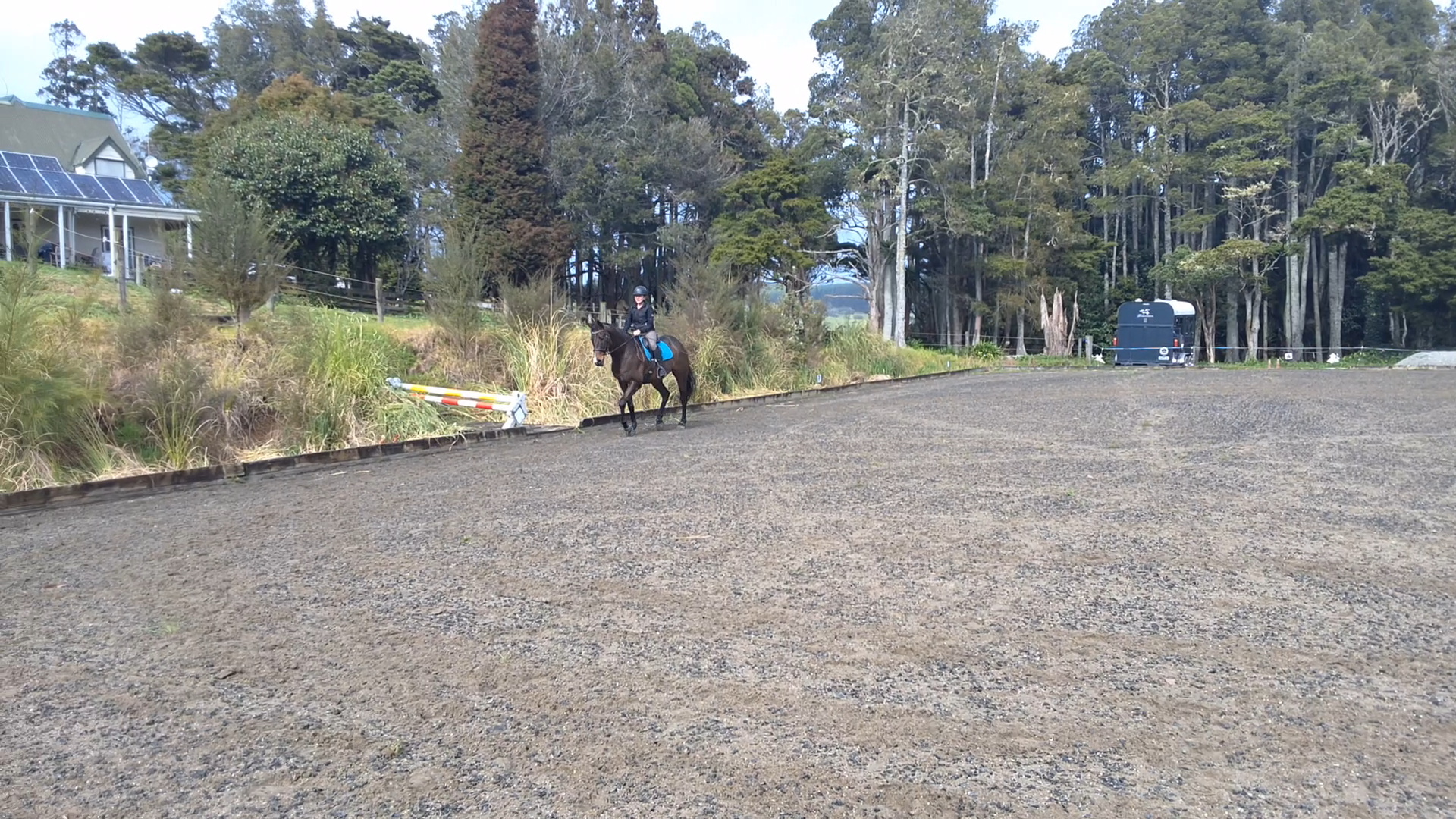
Preparation before progression
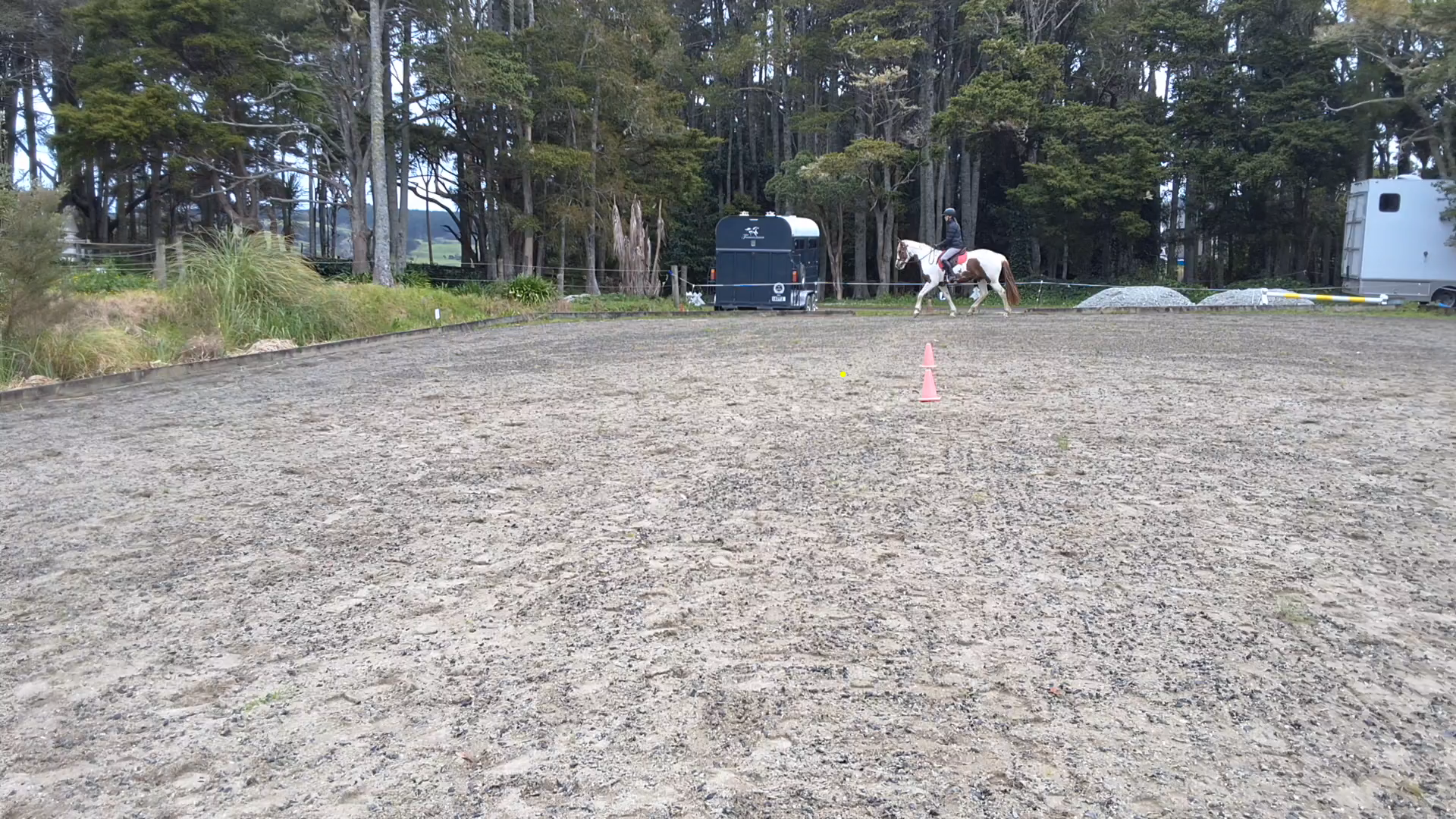
Before asking for canter, I worked with each combination to establish a clear channel of communication between horse and rider.
Could the horse respond to the rider's seat, leg and rein aids? Were the transitions between halt, walk and trot clear? Could the rider steer, maintain straightness and adjust the speed and rhythm of the gaits?
These might seem like fairly basic questions, but they matter.
If we are asking our horses to make a transition into canter, we need to consider whether they understand the request, whether we've prepared them sufficiently, and whether they have the physical and mental capacity to respond positively.
There is little point in asking for more if the foundations aren't in place.
Each combination required a slightly different approach, which is one of the things I find so rewarding about coaching. Whilst the principles remain the same, how we apply them needs to reflect the horse and rider in front of us.
Once we'd established that both horse and rider were ready, we moved on to the canter itself.
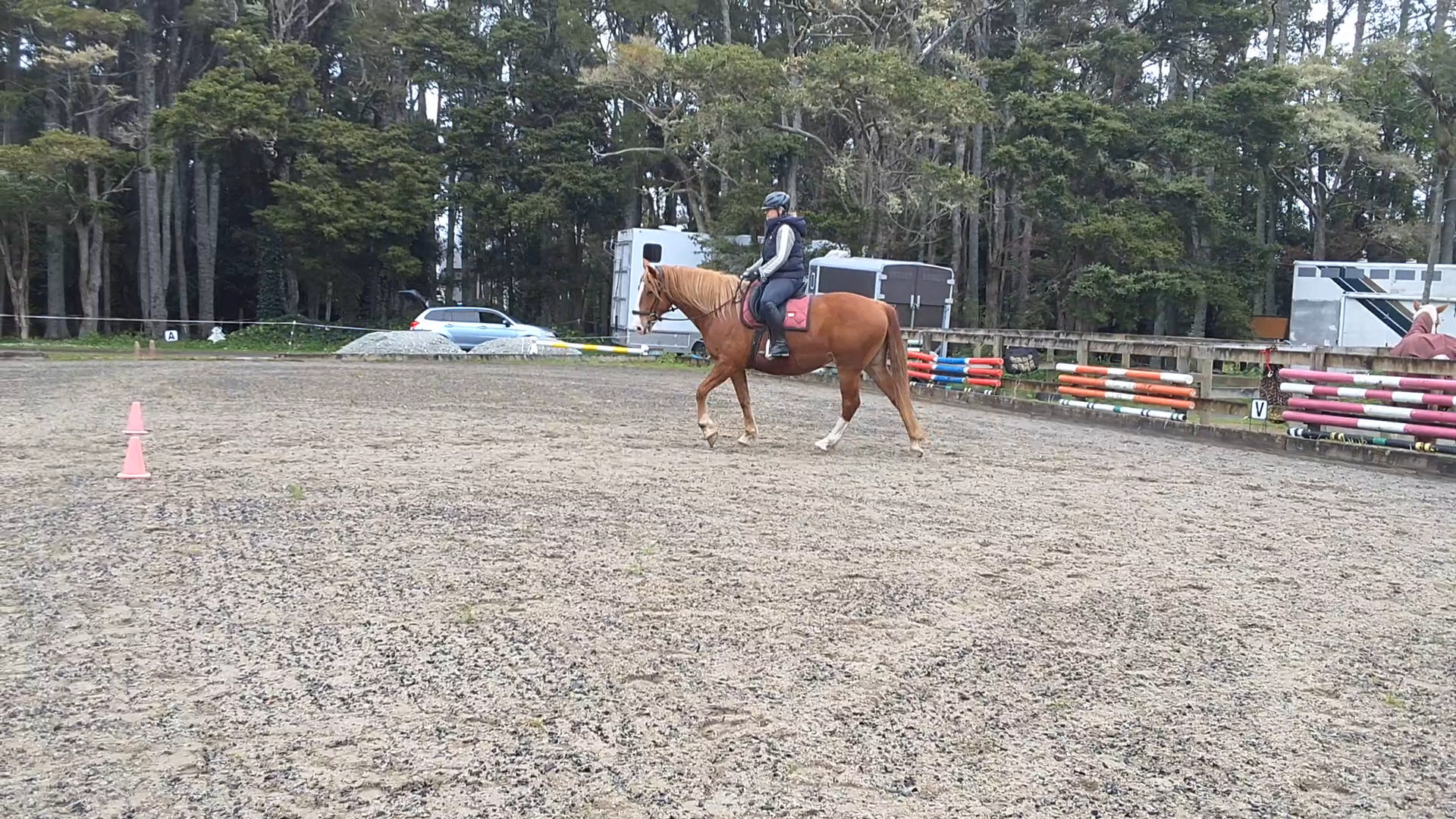
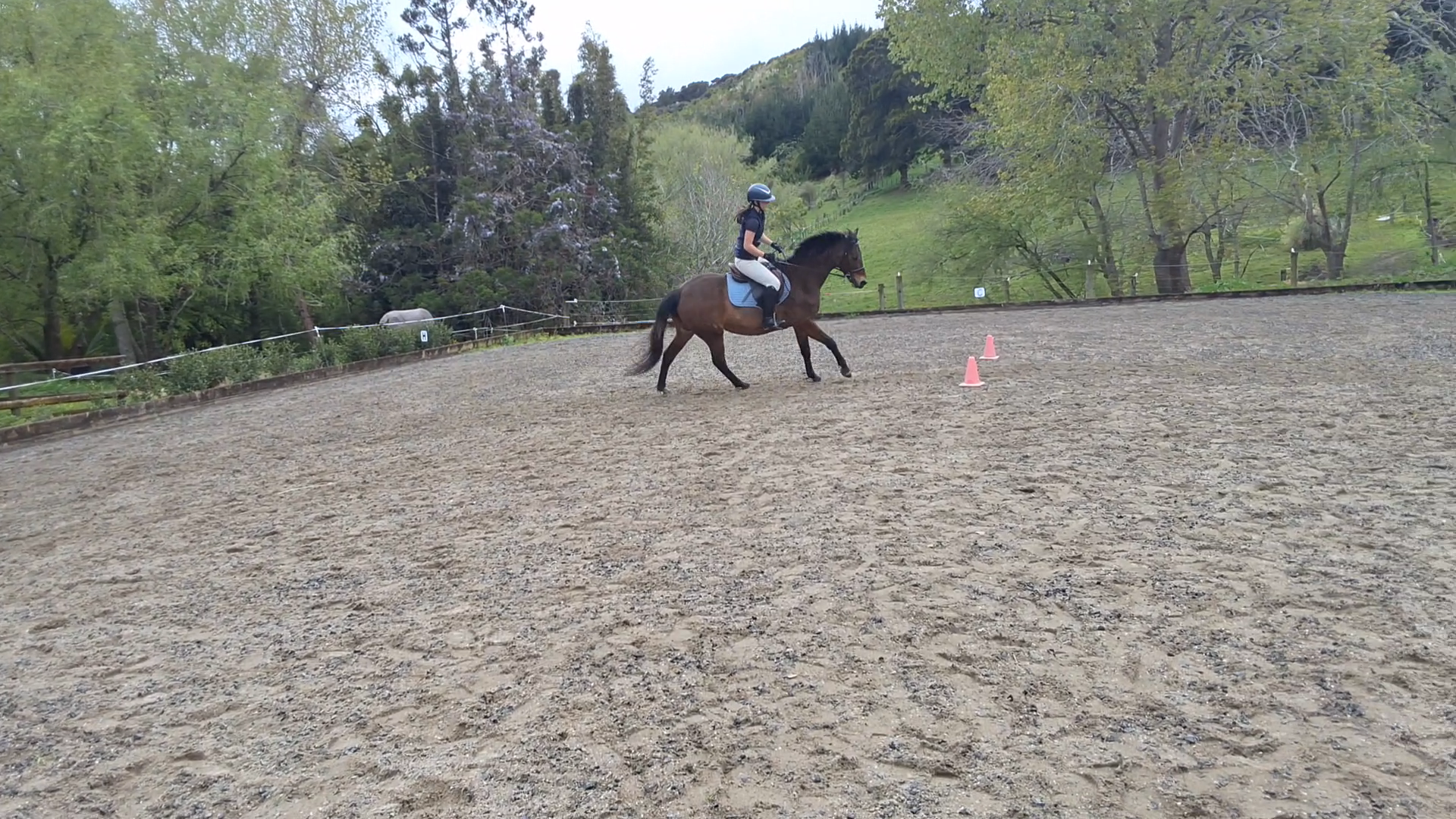
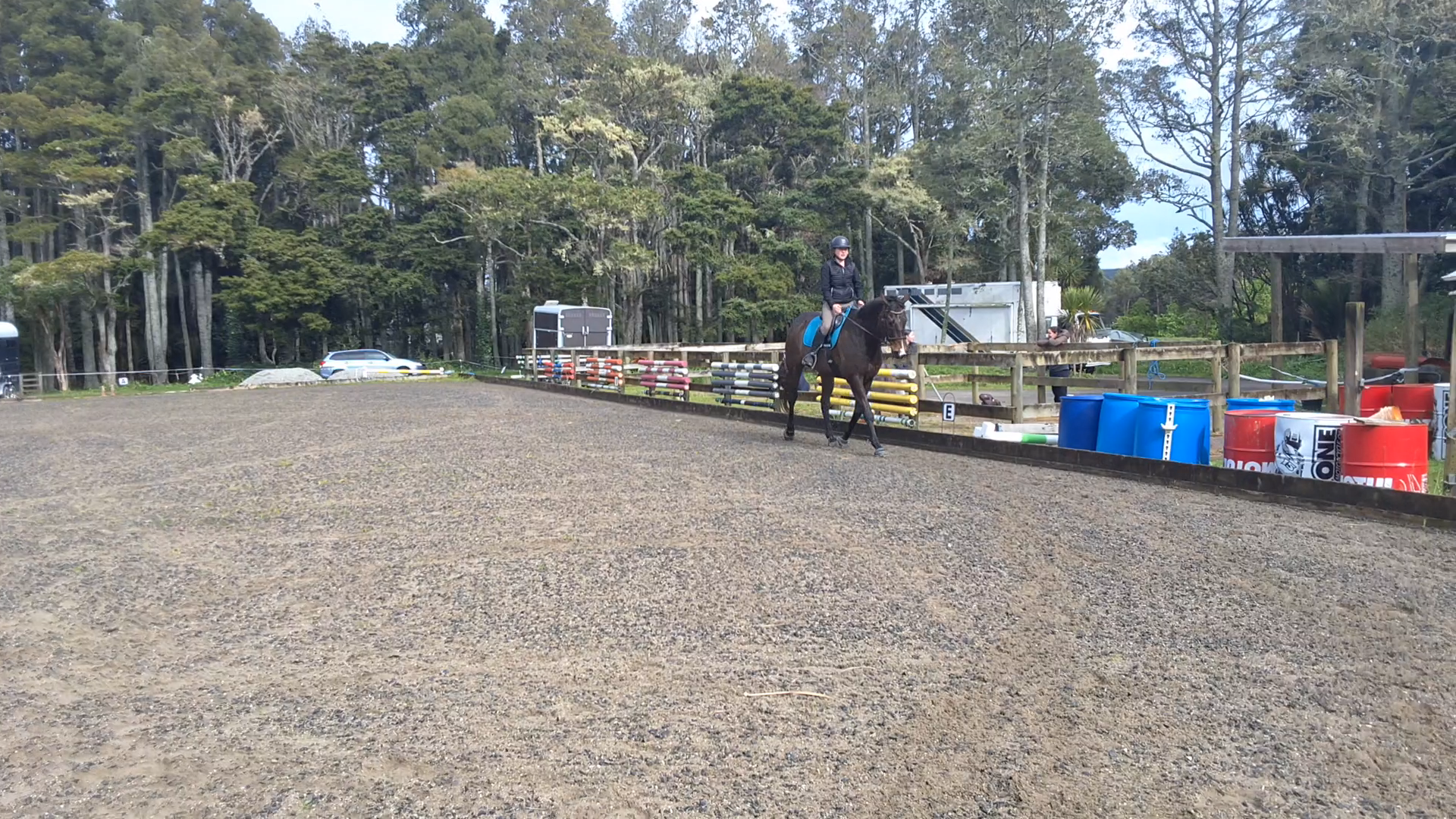
Achieving relaxation in both horse and rider
Finding a canter that works for both horse and rider
One of our key areas of focus was how the rider's body, particularly the pelvis and thighs, could follow and support the horse's movement.
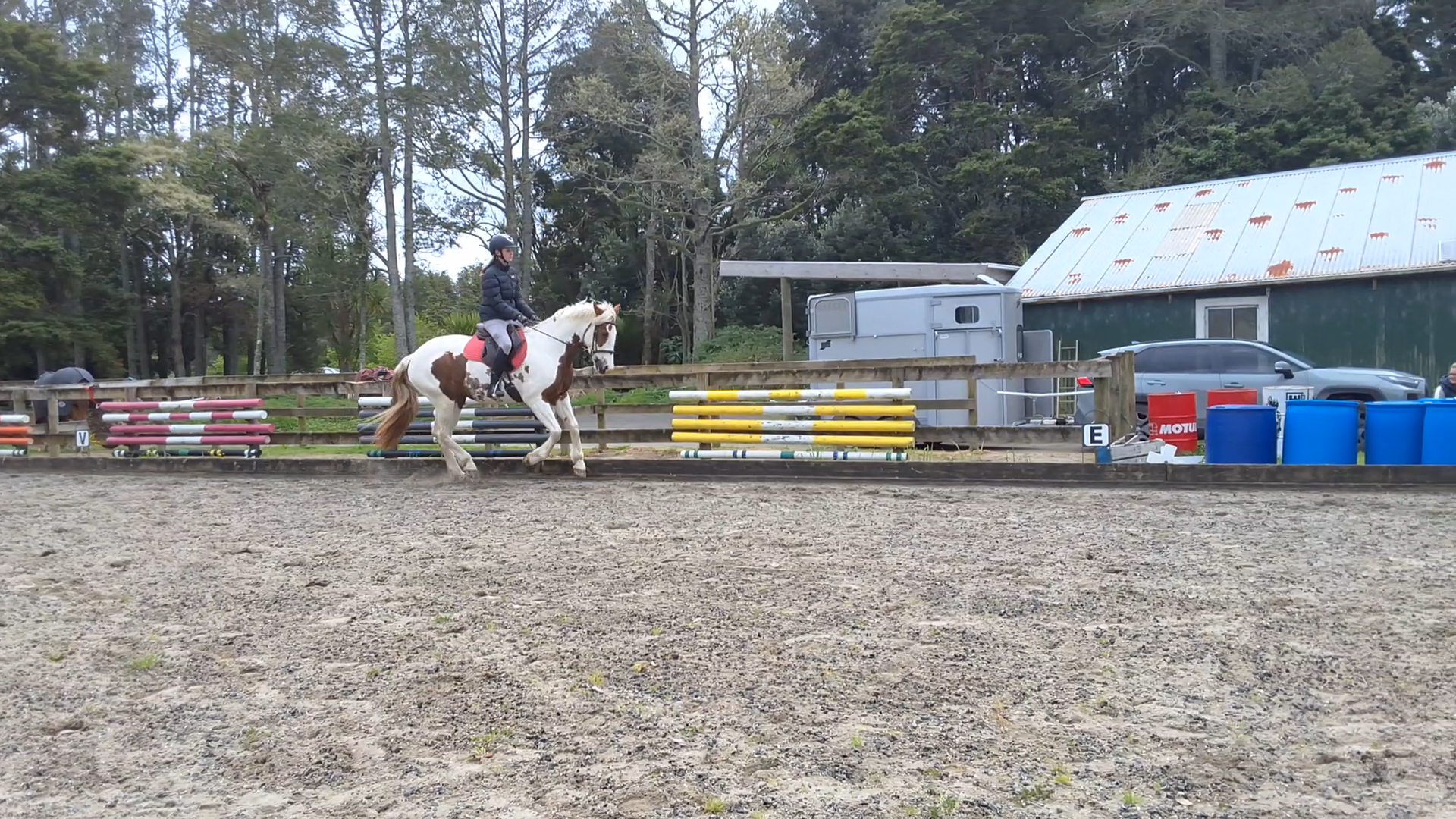
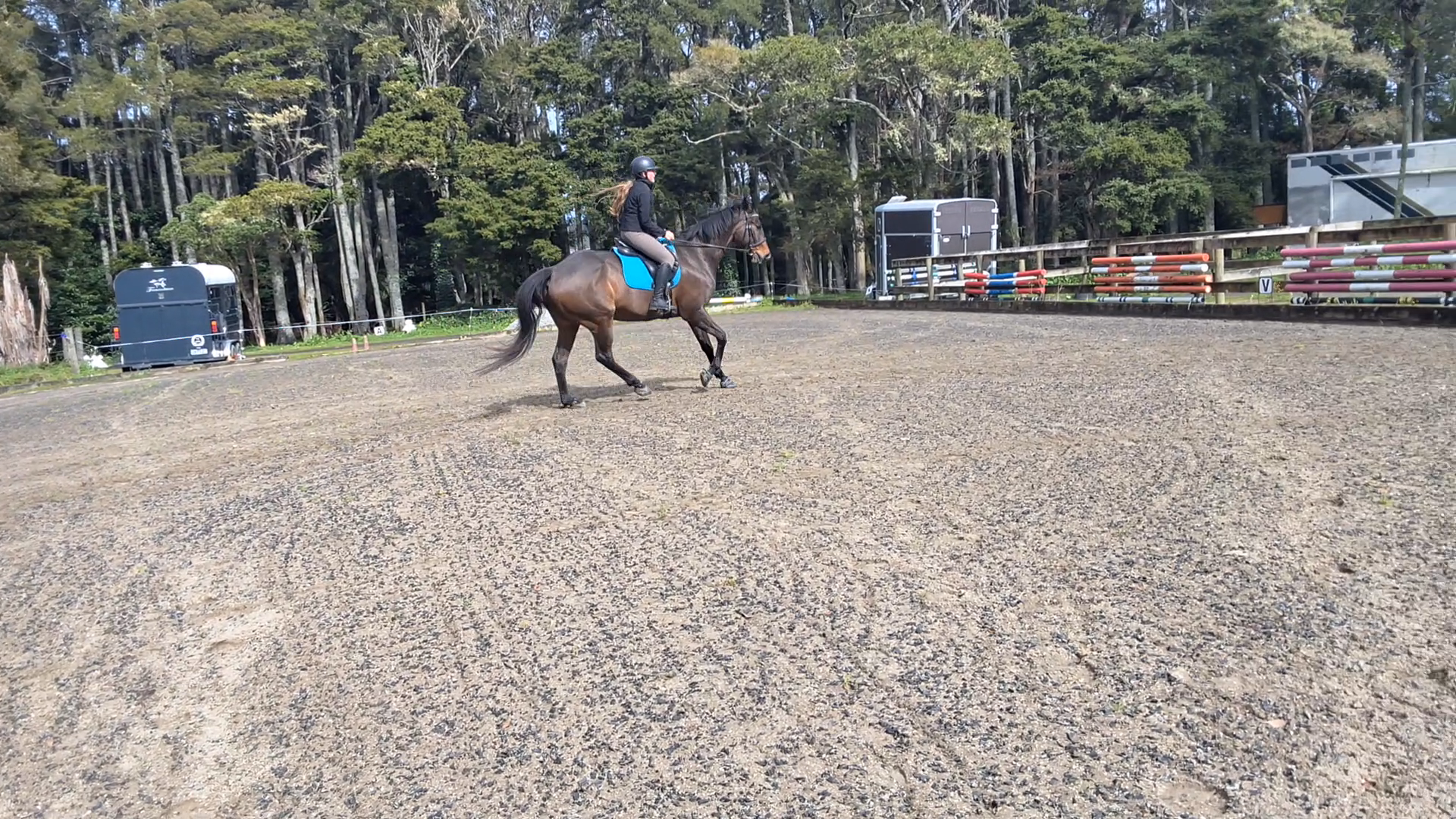
We explored the use of two-point position, or light seat, to help riders become more familiar with the movement of the canter without immediately having to sit through every stride.
The canter creates a different movement pattern for both horse and rider. If a horse is bracing through its back, sitting to the canter can be particularly uncomfortable for the rider. Equally, if the rider is unable to follow the movement, their body can make it harder for the horse to move comfortably.
Moving between two-point and a sitting position allowed riders to explore the movement in different ways, developing their awareness of how their bodies were influencing the horse.
For some combinations, we also began working on stride variation, exploring how to collect and lengthen the canter. Much of this work centred on the rider's seat aids and how they could influence the horse without relying on constant leg or rein aids.
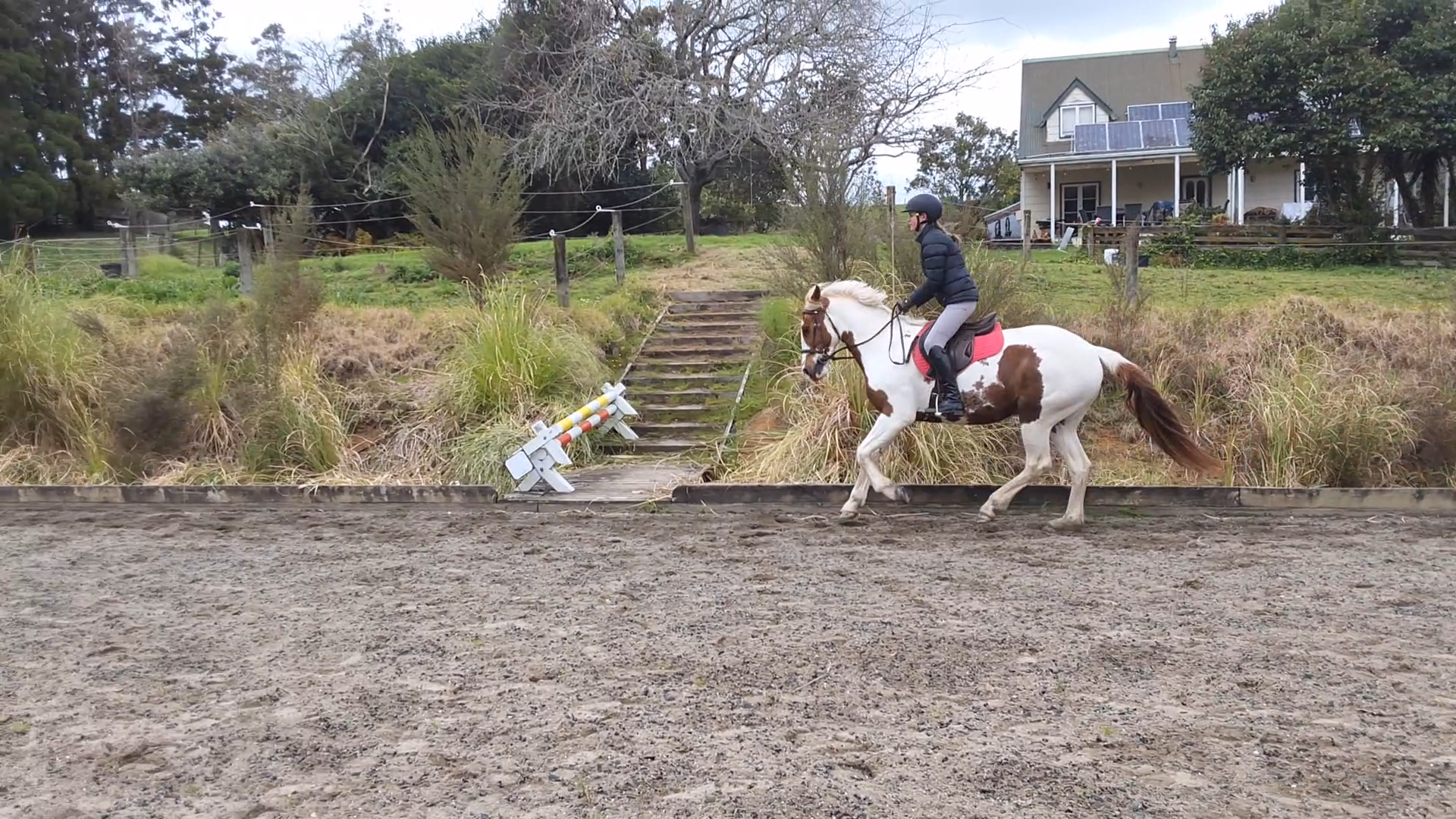
Rider in 2-point position
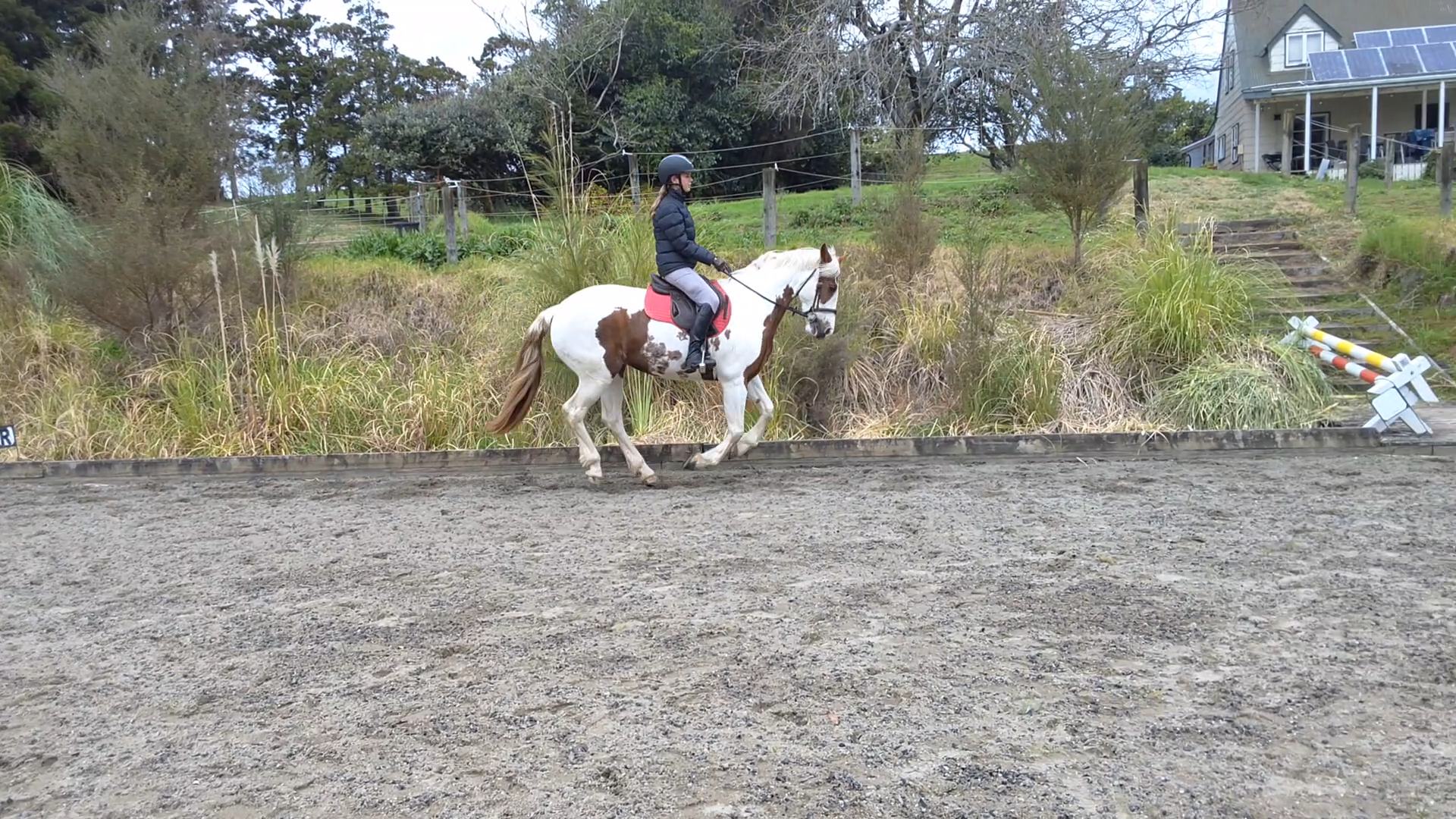
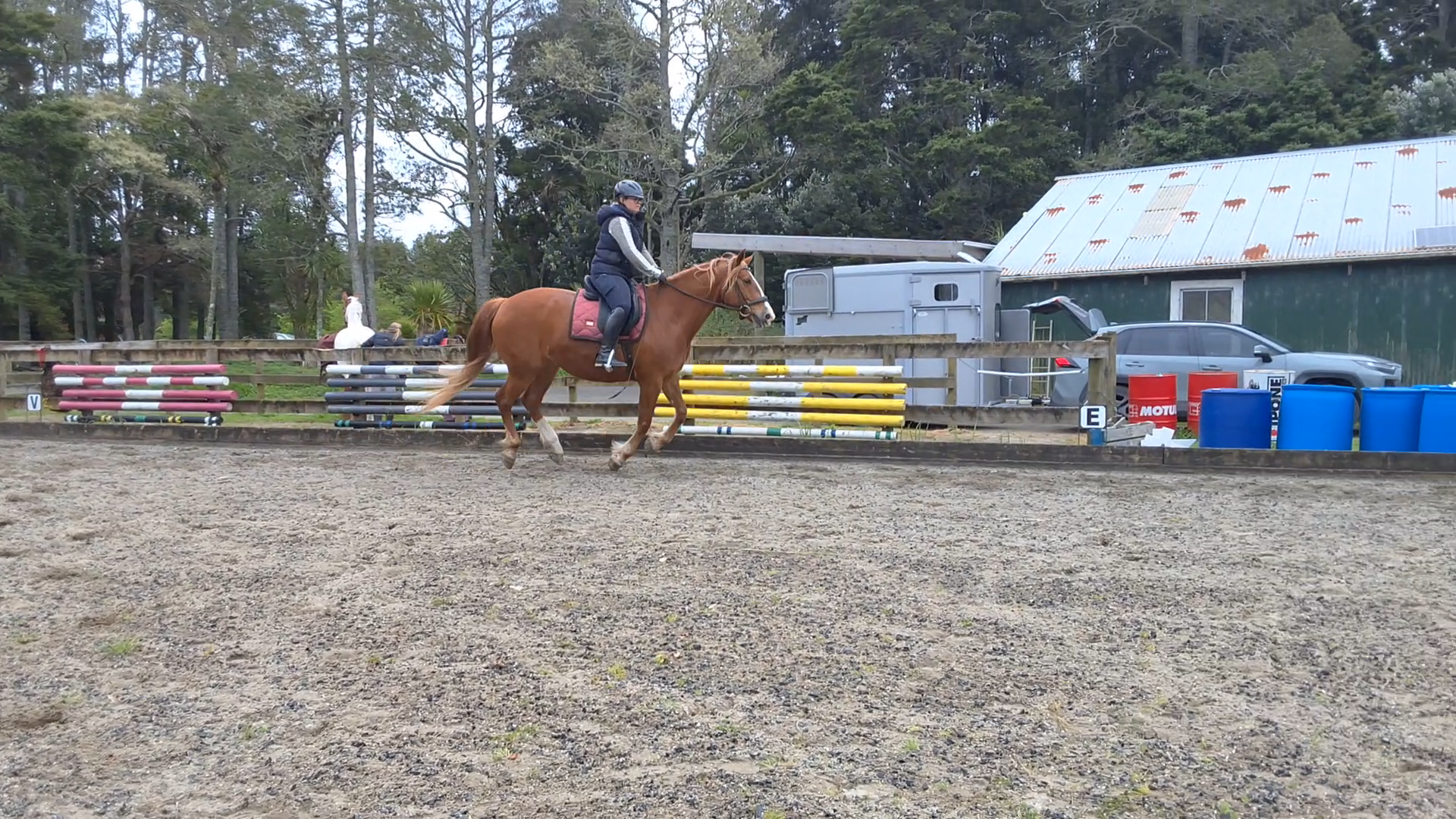
Rider sitting to the canter
There is always more to learn
All the combinations attending the clinic were ready to canter, and so were their horses. That doesn't mean there wasn't plenty to work on!
We were able to build on the foundations each combination already had, rather than simply achieving the transition and moving on. We explored how the rider could prepare for the transition, how the horse responded, and what happened once the canter was established.
The individual lessons allowed us to address the needs of each combination, whilst the video reviews provided another opportunity to revisit the work and connect what the rider had felt with what was happening.
I particularly enjoy this part of the learning process. Riding involves so much information arriving at once, and it isn't always easy to recognise what's happening in the moment. Having the opportunity to watch it back can help make those connections.
For me, this is also where confidence and emotional resilience develop. Not necessarily from everything going to plan, but from having the skills and understanding to respond when it doesn't. From being able to recognise what is working, identify what needs attention and make a considered decision about what to do next.
The more we understand what is happening for both ourselves and our horses, the more we have to draw on when things don't quite go as expected. Rather than simply trying harder, we can begin to recognise what needs to change and work out how to approach it differently.
Something to think about in your next ride
A good canter transition starts before you ask for canter.
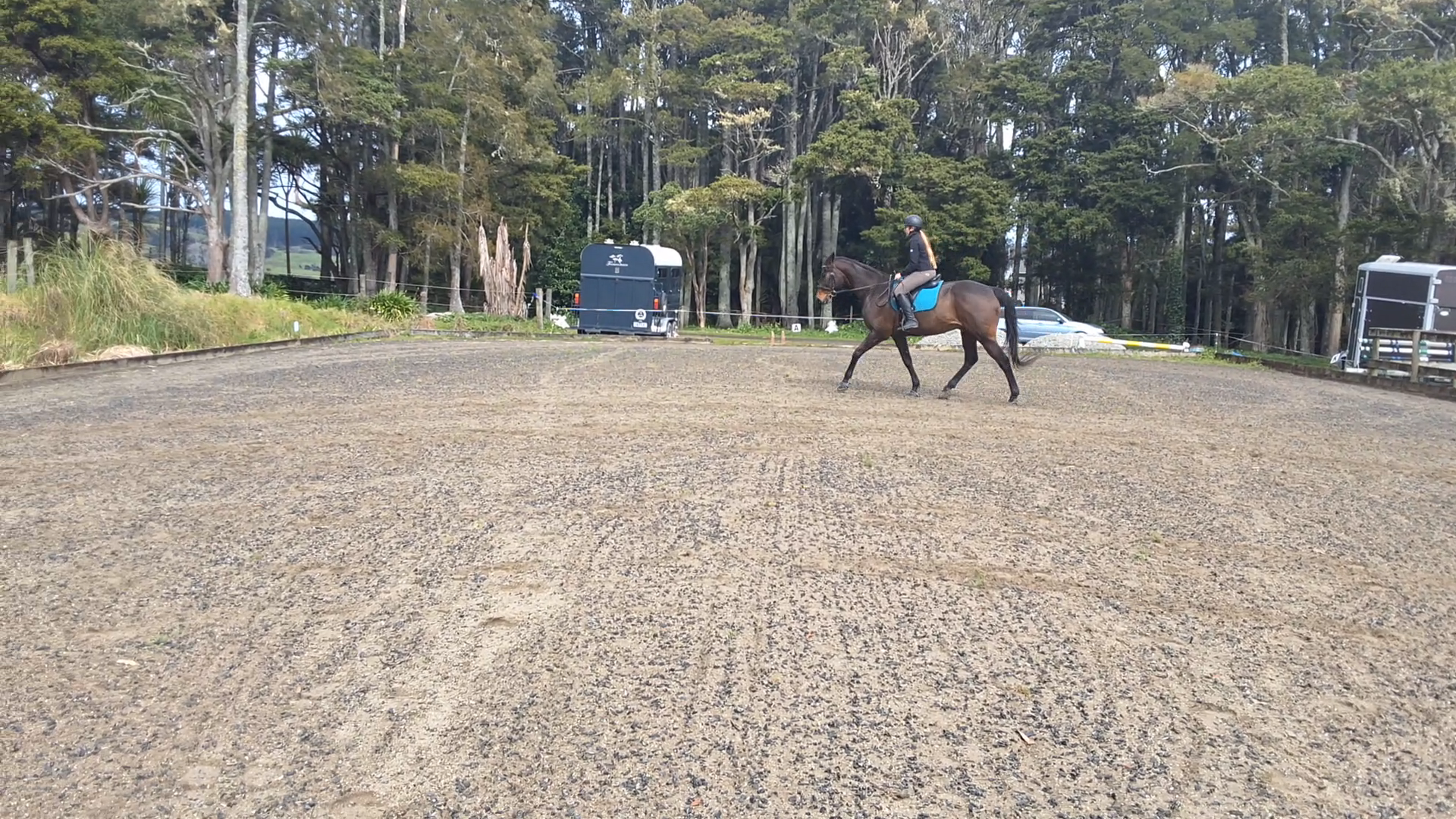
Next time you're preparing for an upward transition, take a moment to consider what is happening in the trot first.
Is your horse travelling in a rhythm you can maintain?
Can you adjust the speed without losing the quality of the trot?
Is your horse responding to your aids, and can you steer and maintain straightness?
Are you balanced and prepared to follow the movement that comes next?
If something isn't quite in place, you don't necessarily need to ask for more. You may need to spend a little more time preparing.
This isn't about achieving perfection in walk and trot before you can canter. It's about recognising what you and your horse need to make the next step easier to understand and physically achievable.
The quality of the transition is influenced by the quality of the preparation.
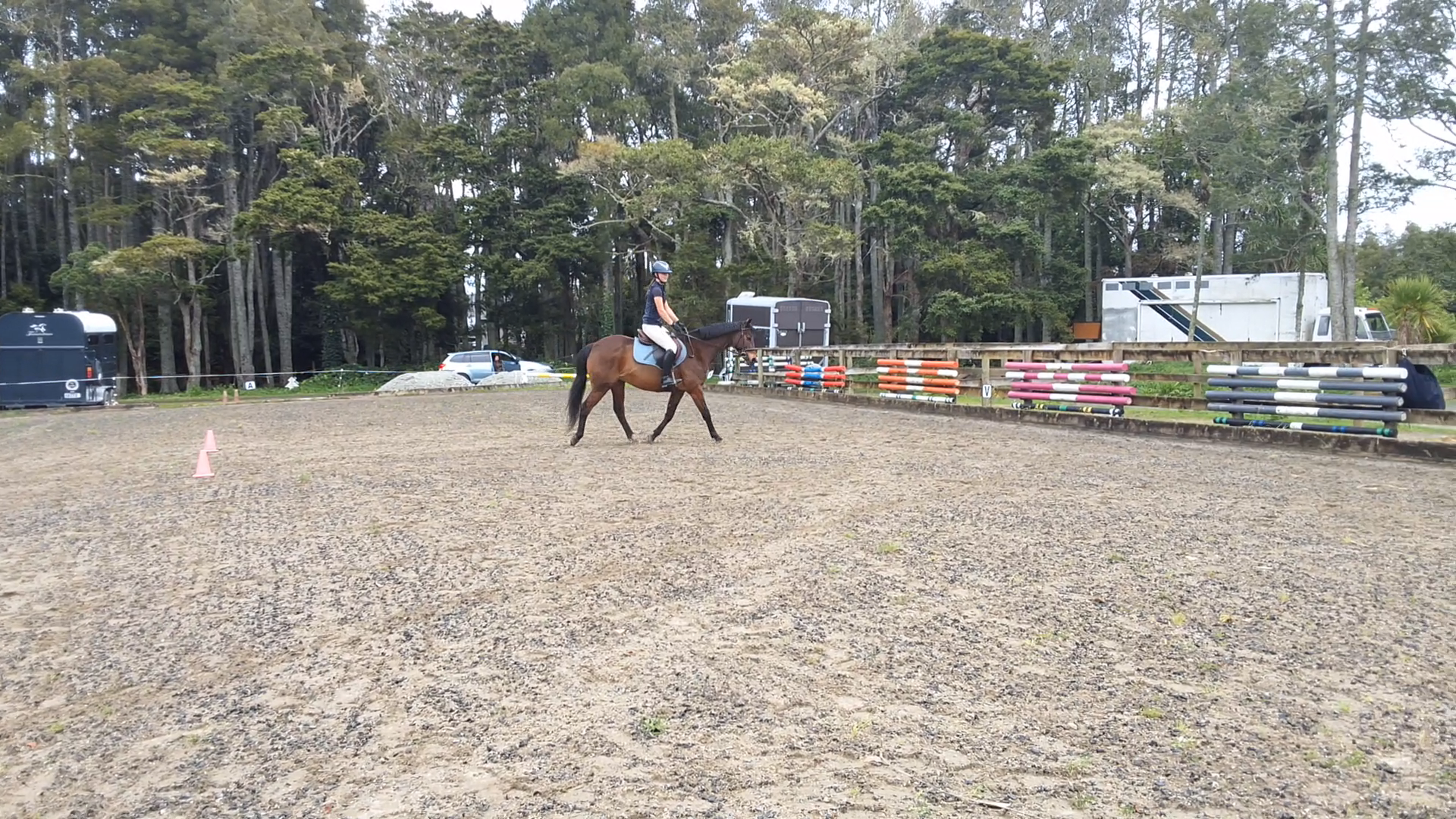
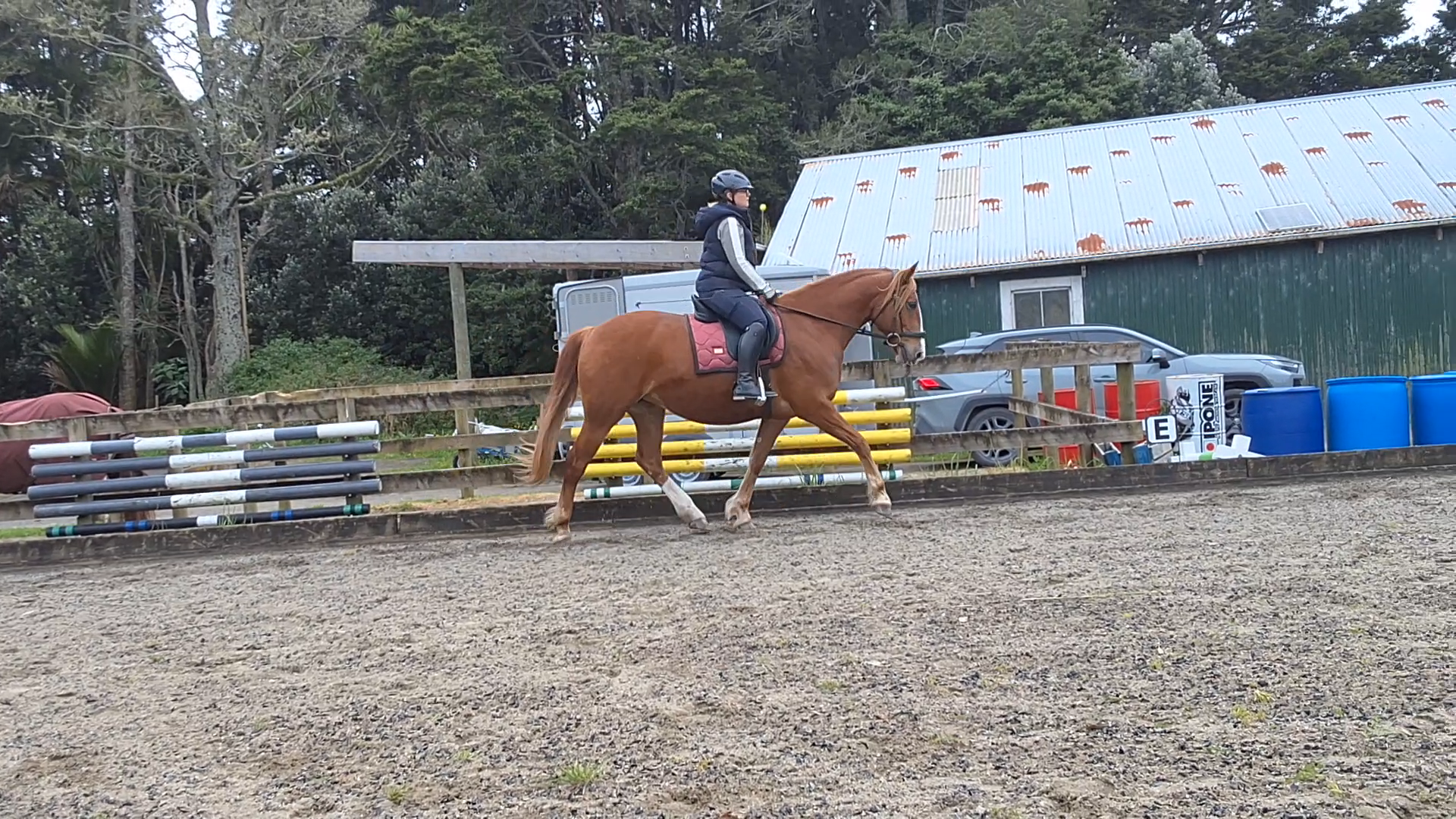
Relaxation in the trot before transitioning to canter
Interested in the next canter clinic?
Whether you're working towards a more confident canter, looking to improve your transitions, or wanting to develop greater balance and adjustability, there's value in looking beyond the canter itself.
My clinics combine practical work with an understanding of the horse's movement, the rider's biomechanics and the communication between them. The aim is to help you understand not just what to do, but why and how it can make a difference.
If you'd like to hear about the next canter clinic, get in touch. I'd be happy to discuss whether it would suit you and your horse.